
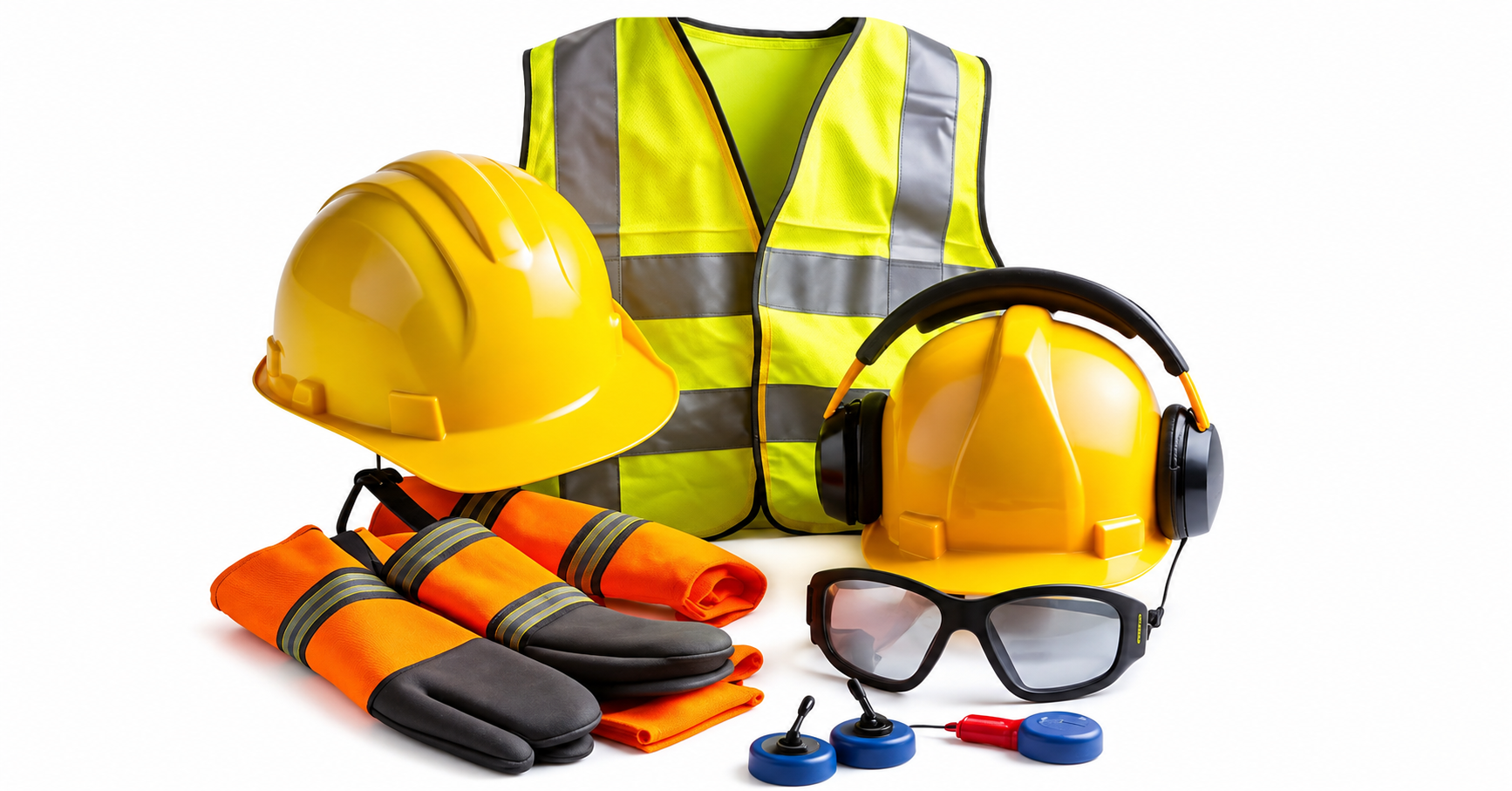
Personal Protective Equipment (PPE): Your First Line of Defence in the Workplace
Workplace safety should never be left to chance. In industries such as oil and gas, construction, manufacturing, maritime, engineering, and chemical processing, workers are often exposed to hazards that can cause serious injuries or long-term health problems.
This is where Personal Protective Equipment (PPE) becomes essential.
What Is PPE?
Personal Protective Equipment refers to specialized clothing, equipment, or protective accessories worn by workers to reduce exposure to workplace hazards.
PPE does not eliminate a hazard, but it provides an important layer of protection when hazards cannot be completely removed through engineering or administrative controls.
Common Types of PPE
Different jobs require different forms of protection. Common PPE includes:
- Safety helmets: Protect the head from falling objects and impact.
- Safety goggles and face shields: Protect the eyes and face from chemicals, dust, sparks, and flying particles.
- Protective gloves: Help protect hands from cuts, chemicals, heat, abrasions, and other hazards.
- Safety footwear: Protects the feet from impact, punctures, slippery surfaces, and certain chemical hazards.
- Coveralls and protective clothing: Provide protection against dirt, chemicals, heat, sparks, and other workplace hazards.
- Hearing protection: Earplugs and earmuffs help reduce exposure to excessive workplace noise.
- Respiratory protection: Masks and respirators help protect workers from harmful dust, fumes, vapours, and airborne contaminants.
- High-visibility clothing: Makes workers more visible around vehicles, machinery, and low-light environments.
Why PPE Matters
A properly selected and correctly used PPE can significantly reduce the severity of workplace injuries and exposure.
However, PPE is most effective when it is:
1. Suitable for the specific hazard.
2. Properly fitted to the worker.
3. Regularly inspected.
4. Clean and well maintained.
5. Used correctly and consistently.
6. Replaced when damaged or no longer effective.
PPE in High-Risk Industries
In sectors such as oil and gas, maritime, construction, manufacturing, and industrial processing**, PPE is particularly important because workers may encounter multiple hazards at the same time.
For example, an engineer working around industrial equipment may require a safety helmet, protective footwear, gloves, coveralls, eye protection, hearing protection, and other specialized PPE depending on the task and risk assessment.
The right PPE should always be determined by the specific working environment and identified hazards.
PPE Is More Than Equipment—It Is a Safety Culture
Providing PPE is only one part of workplace safety. Employers must also ensure that workers understand why PPE is necessary and how to use it properly.
Workers should never treat PPE as an inconvenience. A helmet, glove, safety boot, respirator, or pair of goggles may seem simple, but it can make a critical difference when an accident occurs.
Safety begins with awareness, but protection requires action.
Every workplace should identify its hazards, provide appropriate protective equipment, train workers on its proper use, and maintain a strong culture of safety.
The right PPE, used correctly, can help protect workers and create a safer, more productive workplace.
Protect your people. Protect your operations. Make safety a priority.



One Response
This is worth engaging…