
Introduction
Nigeria’s economic future depends not only on natural resources but on the ability to transform ideas into products. Sustainable manufacturing is the link between creativity, research, market needs, and national development. When innovation meets responsibility, industries grow while protecting the environment and empowering communities.
Innovation Begins with Learning
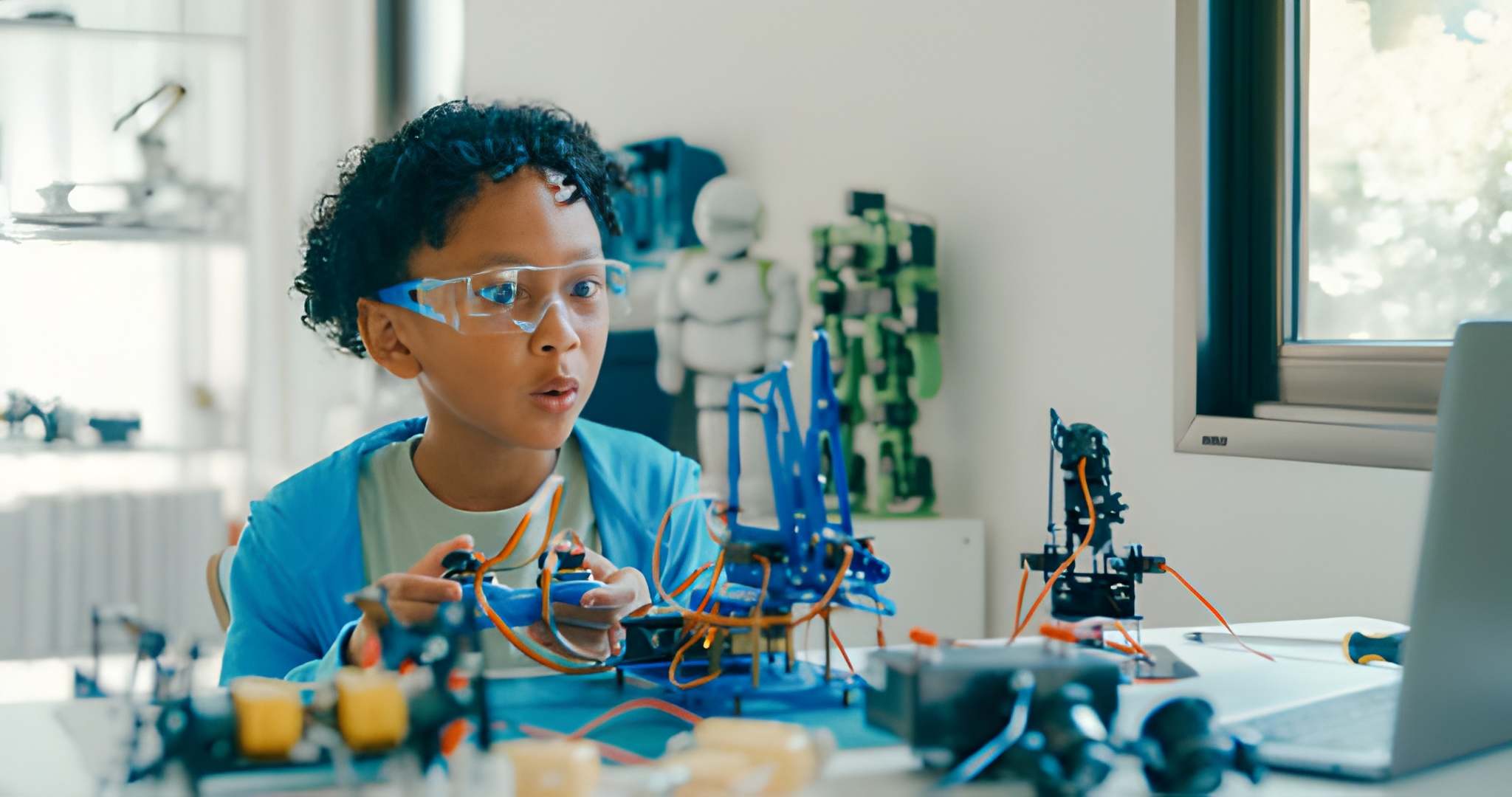
Sustainable manufacturing starts long before a product reaches the market. It begins with education, curiosity, and experimentation. Children exposed to STEAM gain skills that later influence how they design products, solve industry challenges, and contribute to manufacturing advancements.
Why Sustainable Manufacturing Matters
Sustainable manufacturing reduces pollution, supports resource management, encourages local production, and generates new industries. It ensures we build products that serve society while preserving the environment for future generations.
In Nigeria, where pollution and waste remain concerns, eco-friendly formulations like Pomegranate® demonstrate how manufacturing can evolve to support health and sustainability.
From Ideas to Products
Creating a product requires:
-
identifying a need
-
researching viable solutions
-
experimenting with formulations or designs
-
testing safety and performance
-
building scalable production
-
educating the market
-
continuous improvement
This cycle repeats — innovation never ends.
Attainables as a Case Study
Attainables integrates:
-
STEAM education, which fuels creativity
-
research and formulation, which drives product development
-
eco-friendly practices, which support sustainability
-
training and empowerment, which strengthens communities
This ecosystem ensures that manufacturing is not isolated — it remains connected to learning, innovation, and impact.
Preparing the Next Generation
When children are exposed to hands-on learning, they grow into adults who can:
-
invent cleaner technologies
-
design better machinery
-
improve agricultural solutions
-
create sustainable alternatives
-
build small businesses with global standards
By connecting education and manufacturing, Nigeria prepares for a future where local products compete internationally.
Conclusion
The journey from classroom creativity to marketplace innovation is long, but possible. With investment in education, sustainable manufacturing, and responsible product development, Nigeria can position itself as a leader in African innovation. The future belongs to those who create — responsibly.